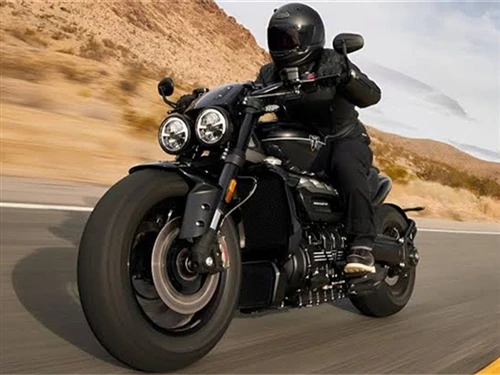
Both excessively low and excessively high tire pressure can have significant negative impacts on riding safety and tire longevity. The specific risks are as follows:
Risks of excessively low tire pressure
Handling and safety hazards: Steering becomes heavy yet unstable; the vehicle tends to lean or drift off-course during cornering and is highly prone to skidding on wet or slippery roads. Emergency braking distances increase, and there is a risk of brake failure or losing control and crashing.
Rapid tire wear: Shoulder wear accelerates significantly, reducing the tire's lifespan by 20%–40%. Repeated, excessive deformation of the tire carcass generates continuous heat; this makes blowouts highly likely during high-speed riding and can even cause the valve stem to detach in severe cases.
Increased operating costs: Rolling resistance rises significantly; if tire pressure is 0.14 bar below the standard, fuel consumption can increase by 1%–8%, leading to higher fuel costs over the long term.
Risks of excessively high tire pressure
Reduced grip and handling: The tire's contact patch shrinks drastically, leading to a noticeable loss of grip. The bike becomes prone to skidding on wet or bumpy roads, cornering stability drops sharply, and braking distances increase.
Abnormal tire damage: The vehicle's weight concentrates on the center of the tire tread, causing abnormal wear in the middle. Internal stress on the tire carcass increases; this significantly raises the risk of a blowout upon impact with potholes or sharp objects and drastically shortens the tire's lifespan.
Poor riding experience: The tire's shock-absorbing capability is largely lost, resulting in a harsh, bumpy ride and increased vehicle vibration and noise. Long rides can lead to back pain and soreness, significantly reducing rider comfort.